Gochujang Pasta: Spicy and Satisfying Delight
When I first tasted Gochujang Pasta, it was an explosion of flavors that made my taste buds dance! The spicy and savory notes of gochujang create a mouthwatering experience that’s both comforting and energizing—think creamy, zesty, rich, and packed with protein. I whipped up this dish on a particularly hectic weeknight when I needed something quick yet satisfying for my family. With about 25 grams of protein per serving, it’s a powerhouse meal that keeps everyone fueled for their busy schedules.
I still remember the first time I served Gochujang Pasta; it was a chilly Friday evening, and my teenagers were coming home from school ravenous. As the aroma filled our kitchen, my youngest exclaimed, “This smells amazing!” The secret twist? Instead of traditional red sauce, I used gochujang to bring a unique kick that sets it apart from other pasta dishes. By the end of dinner, they were asking for seconds, and I felt like a culinary hero in my own home!
Ingredients for the Gochujang Pasta
Each ingredient in this dish plays an essential role in flavor and texture. Here’s what you’ll need:
12 oz spaghetti (or any pasta of choice): Provides the perfect base for soaking up the delicious sauce.
3 tbsp gochujang (Korean chili paste): Infuses the dish with a rich, spicy depth.
2 tbsp soy sauce (low sodium preferred): Adds umami and enhances the overall flavor profile.
1 tbsp sesame oil: Brings a nutty richness that complements the other flavors.
1 tbsp rice vinegar: Balances the spice with a touch of acidity for brightness.
1 tbsp honey (or maple syrup for vegan option): Adds a hint of sweetness to round out the spiciness.
2 cloves garlic (minced): Delivers aromatic warmth that elevates the dish’s character.
1 inch ginger (fresh, grated): Contributes a zesty kick that pairs beautifully with the heat.
1 cup bell pepper (sliced): Offers a crunchy texture and vibrant color to the dish.
1 cup broccoli (cut into florets): Adds nutritional value and a slightly earthy flavor.
1 cup carrots (sliced): Introduces natural sweetness and additional crunch to each bite.
2 tbsp green onions (sliced): Provides fresh brightness and a mild onion flavor as a garnish.
- 1 tbsp sesame seeds (toasted): Adds a delightful crunch and nutty finish to the dish.
Step-by-Step Instructions
I recommend starting by boiling your pasta first since it takes the longest — this way, everything finishes around the same time, and you can enjoy a hot meal without waiting.
Step 1: Bring a large pot of salted water to a rolling boil. Once boiling, add 12 oz of spaghetti (or your pasta of choice) and cook according to the package instructions until al dente, usually about 8-10 minutes. It’s important to stir occasionally to prevent sticking. Once done, drain the pasta in a colander and make sure to reserve about a cup of the pasta water before setting the spaghetti aside. This starchy water will be useful later for adjusting the sauce consistency.
Step 2: In a large skillet over medium heat, pour in 1 tablespoon of sesame oil. Allow it to warm up for about 30 seconds, then add 2 cloves of minced garlic and 1 inch of freshly grated ginger. Sauté these aromatics for about 1-2 minutes until they’re fragrant; be careful not to let them burn as that can create an off-putting taste. This step builds serious flavor, so don’t rush it!
Step 3: Next, stir in 3 tablespoons of gochujang, 2 tablespoons of low-sodium soy sauce, 1 tablespoon of rice vinegar, and 1 tablespoon of honey (or maple syrup for a vegan option). Mix everything thoroughly and allow it to cook for another 2 minutes so that all the flavors meld together beautifully. The sauce should become glossy and slightly thick; if it looks too thick at this point, don’t worry just yet.
Step 4: Add in your sliced bell pepper (1 cup), broccoli florets (1 cup), and sliced carrots (1 cup) into the skillet with the sauce. Stir-fry these veggies for about 5 minutes until they are tender but still vibrant in color. I love using a wooden spatula for this because it helps scrape up any bits stuck to the bottom while ensuring even cooking. If you find that the sauce is too thick during this step, gradually mix in some reserved pasta water until you achieve your desired consistency.
Step 5: Now it’s time to bring everything together! Add the cooked spaghetti back into the skillet and toss it well with the sauce and vegetables until every strand is coated. I find that using tongs makes this task much easier as they help grab hold of the pasta without breaking it apart. If needed, adjust seasoning with more soy sauce or gochujang depending on your spice preference.
Step 6: Serve your Gochujang Pasta hot, garnished with sliced green onions (about 2 tablespoons) and toasted sesame seeds (1 tablespoon). The crunch from the seeds adds a lovely texture contrast to this dish! Enjoy your flavorful creation right away while it’s steaming hot!
What to Serve with Gochujang Pasta
This bowl is already incredibly filling and balanced, but these sides add extra variety and nutrition to round out your meal perfectly.
Cucumber Sesame Salad: This refreshing salad features thinly sliced cucumbers tossed in a light sesame oil dressing with a hint of rice vinegar. The cool crunch of the cucumbers provides a delightful contrast to the heat of the gochujang pasta, while the sesame oil ties in beautifully with the dish’s flavors. With just 45 calories per serving, it’s an excellent way to increase hydration and vitamins without weighing down your meal.
Garlic Edamame: Steamed edamame pods tossed in garlic and sea salt make for a protein-packed side that complements the umami notes of the pasta. Each half-cup serving delivers about 8 grams of protein, offering an additional macro boost to your dinner. Plus, my kids love popping the beans from the pods, making it a fun addition to our table.
Sweet Potato Mash: Creamy mashed sweet potatoes made with a touch of maple syrup and cinnamon provide a naturally sweet counterpoint to the spicy gochujang. Not only do they bring an extra 4 grams of fiber per serving, but their vibrant color adds visual appeal to your plate. I often make a larger batch for meal prep; it’s perfect for pairing with various dishes throughout the week.
Korean-Style Roasted Broccoli: Tossed in sesame oil and sprinkled with gochugaru (Korean chili flakes), this roasted broccoli echoes the flavors found in the pasta while adding a satisfying crunch. Each serving offers essential vitamins C and K, plus healthy fats from sesame oil, making it nutritious as well as delicious. It’s one of my family’s favorites during busy weeknights when I want something simple yet impactful on our plates.
Storage & Serving Tips
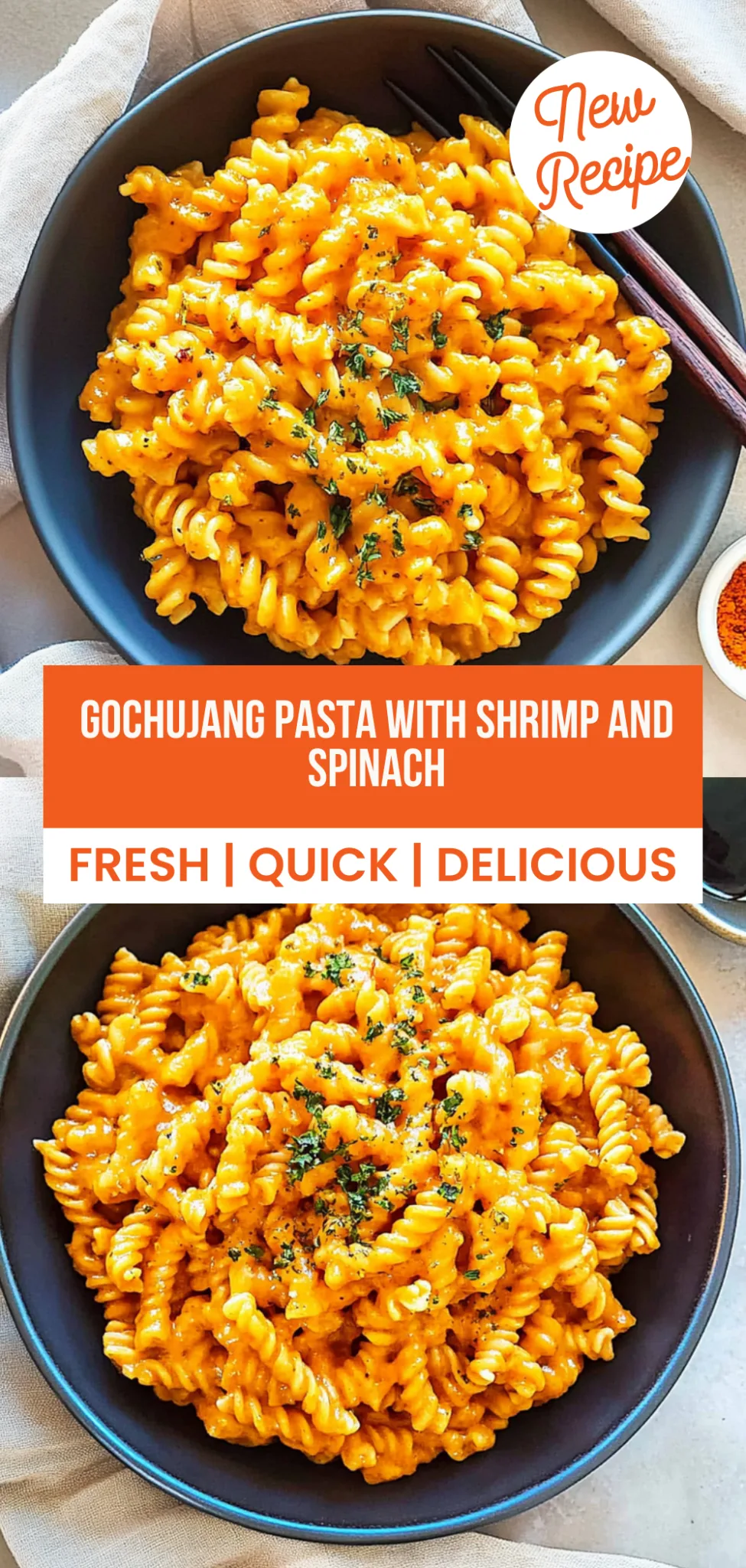
To store your Gochujang Pasta for meal prep, divide the dish into separate airtight containers. Store the cooked pasta in one container and the sauce mixed with vegetables in another. This method helps maintain the texture of the pasta and prevents it from becoming mushy. Keep fresh garnishes like sliced green onions and toasted sesame seeds in small individual containers to preserve their crunchiness. You can refrigerate everything for up to 4 days, ensuring a quick, ready-to-eat meal is always at hand.
When reheating, warm the pasta in the microwave for 60-90 seconds until heated through, stirring halfway to promote even warming. For the sauce and vegetables, reheat them on the stovetop over medium heat for about 5 minutes, stirring occasionally, to keep their flavors vibrant. Avoid microwaving the sauce as it can become too thick and lose its intended texture. Instead, this stovetop method ensures your dish retains its deliciously spicy essence without compromising quality.
Pro tip: Batch cook this Gochujang Pasta by doubling the recipe on a Sunday, then portion it into containers for easy meals throughout the week. Family members can self-assemble their bowls by choosing how much pasta and sauce they’d like, making it customizable for everyone’s tastes. For variety, consider swapping in zucchini noodles instead of spaghetti or adding chickpeas for an extra protein boost. To keep your garnishes at their best during meal prep storage, add sliced green onions and toasted sesame seeds just before serving to maintain their freshness and crunch!
Conclusion
This Gochujang Pasta has become one of those recipes I make at least twice a month because it’s genuinely easy, incredibly satisfying, and delivers 450 calories per serving without tasting like diet food. The rich flavor of gochujang gives this dish a unique kick that sets it apart from typical pasta recipes, making every bite an exciting experience. Give this one a try this week. I promise it’ll become a regular rotation meal in your house too.