Korean Spicy Beef Bowls: A Flavor Explosion Tonight!
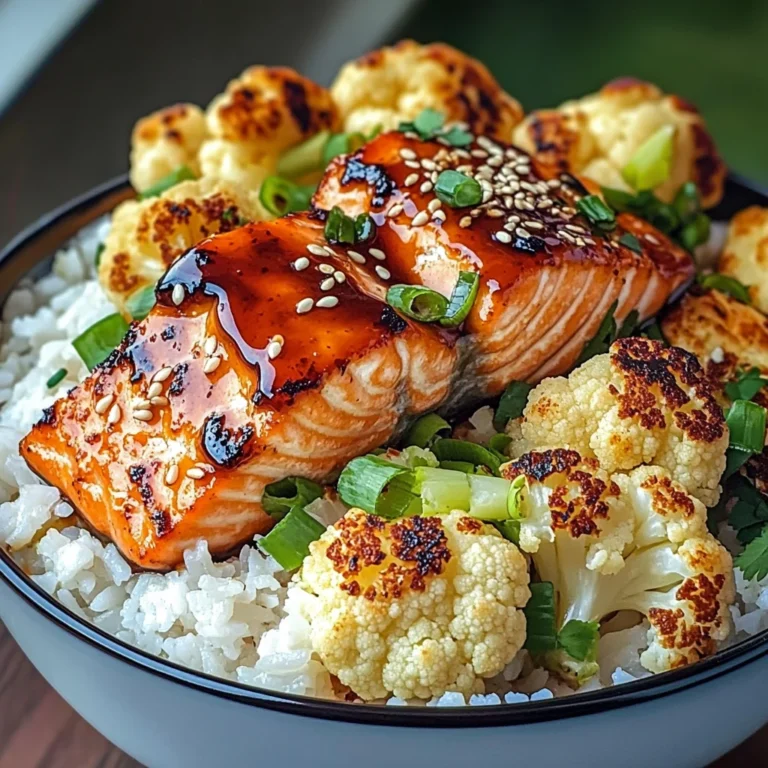
Get ready to ignite your taste buds with my Korean Spicy Beef Bowls, where succulent marinated beef meets a vibrant medley of fresh vegetables over fluffy rice. Each bite is a delightful explosion of spicy, savory, crisp, and satisfying flavors that will leave you craving more. I created this dish for those hectic weeknights when meal prep becomes a lifesaver—packed with around 35 grams of protein per serving, it’s not just delicious but also nutritious, making it a go-to for fueling my busy family.
I still remember the first time I made these Korean Spicy Beef Bowls; it was a chilly Friday evening after a long week of work and school activities. As I served the bowls, my teenager took one look at the colorful array on their plate and exclaimed, “This smells amazing!” The secret twist in my recipe is the use of gochujang, which adds an irresistible depth of flavor that sets it apart from other beef dishes. To my delight, after just one bite, my youngest asked for seconds, declaring it their new favorite dinner!
Ingredients for the Korean Spicy Beef Bowls
Each ingredient in this dish plays an essential role in flavor and texture. Here’s what you’ll need:
- 1 pound beef sirloin (thinly sliced): Provides tender, juicy bites that soak up the marinade beautifully.
- 3 tablespoons soy sauce (low sodium): Enriches the dish with umami while keeping the salt levels in check.
- 2 tablespoons gochujang (Korean chili paste): Adds a spicy depth and a hint of sweetness that defines Korean flavor.
- 1 tablespoon sesame oil: Infuses a nutty aroma that complements the beef and vegetables perfectly.
- 1 tablespoon brown sugar: Balances the heat with a touch of sweetness, enhancing overall flavor complexity.
- 2 cloves garlic (minced): Brings a savory punch that enhances the richness of the meat.
- 1 inch ginger (grated): Introduces a warm zestiness that brightens each bite.
Step-by-Step Instructions
I recommend starting with the marinade since it needs at least 15 minutes to infuse the flavors into the beef while you prepare the rest of the dish.
Step 1: In a mixing bowl, combine 3 tablespoons of low sodium soy sauce, 2 tablespoons of gochujang, 1 tablespoon of sesame oil, 1 tablespoon of brown sugar, 2 minced cloves of garlic, and 1 inch of grated ginger. Whisk these ingredients together until well blended. Once your marinade is ready, add in the sliced pound of beef sirloin and ensure each piece is thoroughly coated. Cover the bowl with plastic wrap or a lid and let it marinate for at least 15 minutes to build serious flavor.
Step 2: While the beef marinates, rinse 2 cups of jasmine rice under cold water until the water runs clear. This step removes excess starch and helps achieve fluffy rice. Once rinsed, place the rice in a rice cooker along with 2 cups of water. Cook according to your rice cooker’s instructions—this will usually take about 10-15 minutes. I like to set a timer so I can focus on cooking the beef without worrying about overcooking my rice.
Step 3: After your beef has marinated for at least 15 minutes and your rice is cooking, heat a large skillet over medium-high heat. Once hot, add the marinated beef along with any leftover marinade from the bowl. Cook for about 5-7 minutes, stirring frequently, until the beef is browned and cooked through with no pink remaining. This step builds up rich flavors in your dish, so don’t rush it! If you’re using a fattier cut of beef, be sure to drain excess fat as needed.
Step 4: Now that everything is cooked through, it’s time to assemble your bowls. In serving bowls, place a portion of your fluffy cooked jasmine rice as the base. Top each bowl generously with the cooked beef along with julienned carrots, sliced cucumber, and green onions for that fresh crunch. I usually load up on veggies since they also add color and nutrient density to the dish.
Step 5: Finally, sprinkle about 2 tablespoons of sesame seeds on top for garnish—this adds a lovely nutty flavor and a bit of crunch that complements the spicy beef perfectly. Enjoy your Korean Spicy Beef Bowls!
What to Serve with Korean Spicy Beef Bowls
This bowl is already incredibly filling and balanced, but these sides add extra variety and nutrition to round out your meal perfectly.
Korean Cucumber Salad (Oi Muchim): This refreshing salad features thinly sliced cucumbers tossed in a tangy dressing of rice vinegar, garlic, sesame oil, and chili flakes. The crispness of the cucumbers contrasts beautifully with the rich flavors of the beef while echoing the Asian-inspired seasoning. Plus, it’s low-calorie and hydrating, making it a great addition for those keeping an eye on their macros.
Garlic Fried Rice: Made from leftover jasmine rice stir-fried with garlic, green onions, and a dash of soy sauce, this dish adds a satisfying umami element to your meal. The savory flavors complement the spicy beef bowls perfectly, while adding healthy carbs to fuel your day. It’s a family favorite in our house—perfect for using up any leftover rice after a busy week!
Spicy Roasted Sweet Potatoes: Cubed sweet potatoes tossed in olive oil, paprika, and cayenne pepper create a sweet yet spicy side that pairs well with the bold flavors of the beef. Not only do they provide complex carbohydrates for sustained energy, but they also pack about 20 grams of carbs per serving along with beneficial vitamins like A and C. My kids love them as a crunchy contrast to the tender beef!
Kimchi: This fermented vegetable side dish brings heat and probiotics to the table with its tangy flavor profile made from seasoned Napa cabbage or radishes. Kimchi’s spiciness complements the gochujang in the beef marinade while adding gut-healthy benefits—perfect for anyone looking to boost their digestive health. We always keep a jar on hand for quick meals; it’s become a staple at our dinner table!
Storage & Serving Tips

Store your Korean Spicy Beef Bowls in separate airtight containers in the fridge for up to 4 days. Keep the beef marinated with the soy sauce, gochujang, sesame oil, brown sugar, garlic, and ginger in one container, while placing the cooked jasmine rice in another. Fresh toppings like julienned carrots, sliced cucumber, and green onions should be stored in individual small containers to maintain their crispness. Lastly, store the sesame seeds separately for garnishing when serving.
When reheating, it’s best to warm each component separately to maintain optimal texture and flavor. The beef mixture can be reheated in the microwave for 90 seconds to 2 minutes, stirring halfway through until steaming hot. For the jasmine rice, place it in a microwave-safe bowl with a splash of water and heat for about 1-2 minutes until heated through. Avoid reheating any fresh vegetables in the microwave as they can become limp; instead, enjoy them cold or lightly sauté them in a pan for a minute or two.
Pro tip: To make meal prep easier for your week ahead, consider batch cooking a double recipe of Korean Spicy Beef Bowls on Sunday and portioning them into containers for grab-and-go lunches. Family members can self-assemble their bowls by choosing their desired amount of beef and rice while adding fresh veggies right before eating. For variety throughout the week, swap out beef sirloin for chicken thighs or try adding extra chickpeas for a vegetarian option. To keep your cucumber crisp during meal prep storage, add it fresh each time you assemble your bowl rather than storing it with the other components.
Conclusion
These Korean Spicy Beef Bowls have become a regular rotation recipe for me, as I make them at least twice a month because they pack a satisfying 550 calories and deliver on flavor without sacrificing nutrition. The gochujang in the marinade is what truly sets this dish apart, giving it that authentic kick that elevates it beyond typical beef bowls. Give this one a try this week. I promise it’ll become a regular rotation meal in your house too.